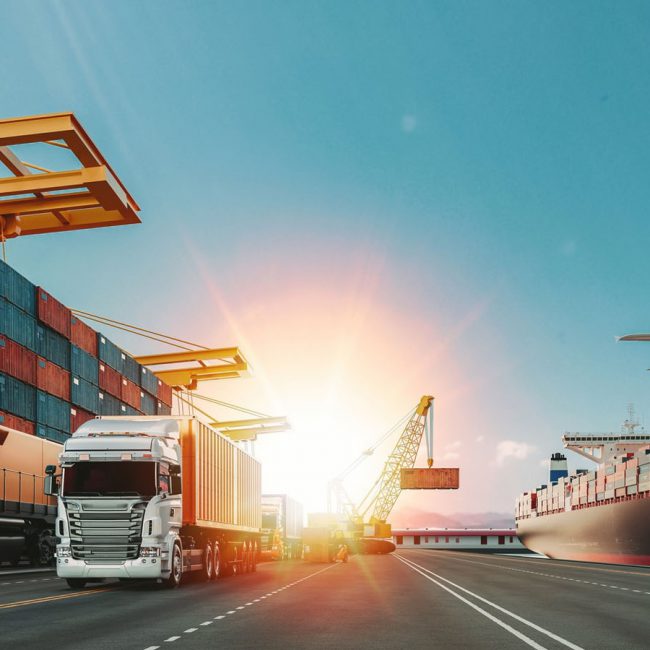
Transportation logistics sits at the heart of modern commerce. Every product you use, from your smartphone to your morning coffee, has traveled through a complex web of suppliers, carriers, warehouses, ports, and distribution centers. Behind that journey is a carefully coordinated system known as transportation logistics.
In a global economy where speed, reliability, and cost efficiency define success, transportation logistics is no longer just a support function. It is a strategic advantage. Companies that optimize their transportation logistics reduce operational costs, improve delivery performance, strengthen customer relationships, and gain a competitive edge in crowded markets.
This article explores transportation logistics in depth. You will learn what it truly involves, how it connects global supply chains, the key components that make it work, the technologies shaping its future, and how businesses can build resilient and scalable logistics systems. Whether you are a business owner, operations manager, or entrepreneur entering international trade, understanding transportation logistics is essential for long term success.
Transportation logistics refers to the planning, execution, and optimization of the physical movement of goods from one location to another. It covers everything from selecting transportation modes and managing carriers to tracking shipments and ensuring timely delivery.
It is a core component of broader supply chain management, but it focuses specifically on how goods move. This includes:
Road freight
Rail freight
Air cargo
Ocean freight
Intermodal transport
Last mile delivery
Transportation logistics ensures that products reach the right place, at the right time, in the right condition, and at the lowest possible cost.
Global trade depends heavily on transportation logistics. Major trade routes connect continents, linking manufacturing hubs in Asia, distribution centers in Europe, and consumer markets in North America. Ports such as the Port of Shanghai and the Port of Rotterdam are central nodes in this global network.
Efficient transportation logistics allows companies to source raw materials from different countries, manufacture goods in cost effective regions, and distribute products worldwide. Without strong logistics systems, global supply chains would collapse under delays, cost overruns, and inefficiencies.
Transportation costs can account for a significant portion of a company’s operating expenses. Poor planning leads to:
Late deliveries
Increased fuel and freight costs
Damaged goods
Lost customers
Reduced profitability
On the other hand, strong transportation logistics delivers measurable benefits:
Reduced shipping costs
Improved on time delivery rates
Better inventory management
Higher customer satisfaction
Stronger supplier relationships
In competitive markets, transportation logistics often determines whether a company thrives or struggles.
Transportation logistics is not just about moving goods from point A to point B. It involves a structured system of processes and decisions. Let us break down its key components.
Choosing the right transportation mode is critical. Each option offers different advantages:
Road freight is flexible and ideal for short to medium distances.
Rail freight is cost effective for heavy and bulk goods over long distances.
Air freight is fast but expensive, suitable for high value or time sensitive goods.
Ocean freight is economical for large volumes and international trade.
For global shipments, many companies rely on ocean freight due to its cost efficiency. TerraLink Logistics offers international ocean freight forwarding, helping businesses transport large cargo volumes across continents efficiently and reliably.
The right mode depends on:
Delivery urgency
Product type
Budget constraints
Destination
Regulatory requirements
Transportation logistics requires intelligent route planning. Companies must consider:
Traffic patterns
Fuel costs
Road restrictions
Customs checkpoints
Weather conditions
Modern route optimization software uses real time data to determine the most efficient paths. This reduces transit time and fuel consumption while improving reliability.
Working with reliable carriers is a cornerstone of transportation logistics. Businesses must:
Negotiate contracts
Monitor performance
Ensure compliance with regulations
Track safety records
Strong relationships with trusted carriers ensure consistent service quality and fewer disruptions.
Freight forwarding plays a central role in international transportation logistics. Freight forwarders coordinate shipments across multiple carriers, handle documentation, and ensure customs compliance.
TerraLink Logistics offers freight forwarding services that simplify complex international shipping processes. By managing documentation, customs clearance, and multi modal coordination, experienced forwarders help businesses avoid costly errors and delays.
International shipments require detailed documentation, including:
Bills of lading
Commercial invoices
Packing lists
Certificates of origin
Customs declarations
Mistakes in documentation can lead to delays, penalties, or shipment seizures. Effective transportation logistics ensures compliance with international trade regulations.
Technology is transforming transportation logistics at a rapid pace. Businesses that adopt advanced tools gain visibility, efficiency, and control.
GPS tracking systems allow companies to monitor shipments in real time. Customers can receive updates about:
Shipment location
Estimated arrival times
Potential delays
This transparency builds trust and improves customer satisfaction.
A Transportation Management System, often called TMS, centralizes logistics operations. It helps businesses:
Plan shipments
Compare carrier rates
Optimize routes
Track performance metrics
Manage documentation
A TMS reduces manual errors and improves decision making through data analysis.
Automation is reshaping transportation logistics through:
Automated warehouses
Robotic loading systems
AI driven demand forecasting
Predictive maintenance for vehicles
AI analyzes historical data to forecast demand, helping businesses plan shipments more accurately. This reduces overstocking and stockouts.
Blockchain technology enhances security and transparency in transportation logistics. It creates a secure digital record of transactions and shipment details, reducing fraud and improving accountability.
Sustainability is becoming a priority in transportation logistics. Companies are adopting:
Electric delivery vehicles
Alternative fuels
Fuel efficient routing systems
Carbon tracking tools
Green logistics strategies reduce environmental impact while often lowering operational costs.
Despite technological advances, transportation logistics faces ongoing challenges. Understanding these obstacles helps businesses prepare and respond effectively.
Fuel is one of the largest expenses in transportation logistics. Fluctuating fuel prices can disrupt budgets and reduce profit margins.
Solutions:
Optimize routes to reduce mileage
Use fuel efficient vehicles
Consolidate shipments
Negotiate long term carrier contracts
Events such as port congestion, geopolitical tensions, and natural disasters can disrupt transportation logistics.
For example, major disruptions at the Suez Canal highlighted how vulnerable global shipping routes can be.
Solutions:
Diversify shipping routes
Build buffer inventory
Partner with experienced freight forwarders
Develop contingency plans
Different countries have varying customs regulations and documentation requirements. Non compliance leads to delays and fines.
Solutions:
Work with knowledgeable logistics providers
Stay updated on trade regulations
Use digital documentation systems
During peak seasons, transportation capacity becomes limited. This leads to higher rates and shipment delays.
Solutions:
Forecast demand accurately
Book shipments early
Establish long term carrier partnerships
A strategic approach to transportation logistics ensures long term efficiency and resilience.
Start by analyzing:
Transportation costs
Delivery performance
Carrier reliability
Customer satisfaction metrics
Identify bottlenecks and inefficiencies.
Define measurable objectives such as:
Reducing freight costs by 10 percent
Improving on time delivery rates
Lowering carbon emissions
Clear goals guide decision making.
Partnering with experienced logistics providers streamlines operations. TerraLink Logistics offers freight forwarding services designed to support businesses in navigating complex international trade environments.
By working with specialized providers, companies gain access to:
Global carrier networks
Customs expertise
Advanced tracking systems
Risk management strategies
Implement a Transportation Management System and real time tracking tools. Data driven decision making enhances transportation logistics performance.
Transportation logistics is not static. Regularly review performance data, gather customer feedback, and adjust strategies to meet changing market demands.
The future of transportation logistics will be shaped by innovation, sustainability, and globalization.
Digital platforms will integrate suppliers, carriers, and customers into unified ecosystems. Real time data sharing will improve coordination and reduce inefficiencies.
Self driving trucks and delivery drones are being tested worldwide. While full adoption may take time, these technologies promise to reduce labor costs and improve delivery speed.
Companies that prioritize sustainable transportation logistics will attract environmentally conscious customers and comply with tightening regulations.
Emerging markets will play a larger role in global trade. Efficient transportation logistics will enable businesses to access new customers and suppliers across borders.
Transportation logistics is far more than moving goods from one location to another. It is a strategic function that directly impacts profitability, customer satisfaction, and business growth.
When managed effectively, transportation logistics reduces costs, improves reliability, enhances visibility, and strengthens global supply chains. Companies that invest in technology, build strong carrier partnerships, and adopt sustainable practices position themselves for long term success.
Whether you are expanding into international markets or optimizing domestic operations, a well structured transportation logistics strategy is essential. TerraLink Logistics offers international ocean freight forwarding and comprehensive freight forwarding services to help businesses navigate complex global trade environments with confidence and efficiency.
Now is the time to evaluate your transportation logistics system. Identify areas for improvement, leverage expert partnerships, and implement smart technologies. By doing so, you will not only streamline operations but also unlock new opportunities for growth in an increasingly connected world.