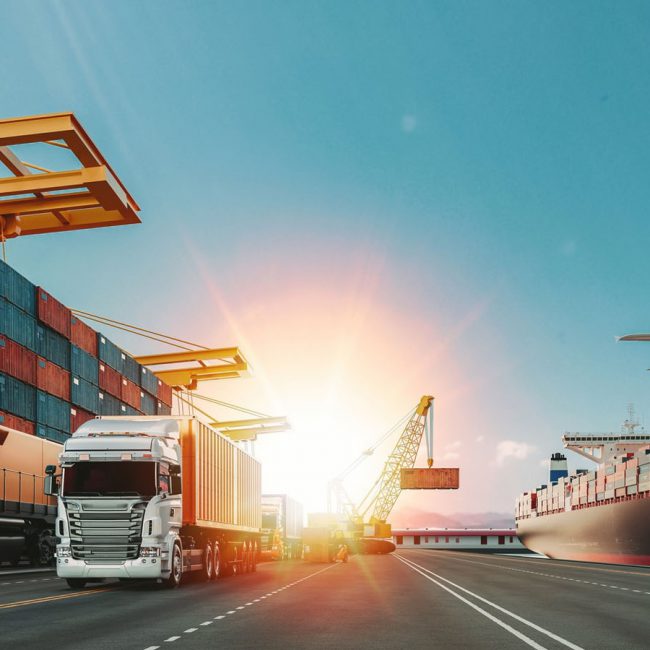
In today’s fast-paced global economy, transportation management in logistics has become a cornerstone of business success. Companies are increasingly relying on efficient transport systems to ensure timely delivery of goods, reduce operational costs, and enhance customer satisfaction. Managing logistics is no longer just about moving products from point A to point B; it involves strategic planning, optimization, and technology integration to streamline the entire supply chain.
The complexity of modern logistics, including multi-modal transport options, regulatory compliance, and fluctuating fuel costs, requires businesses to adopt robust transportation management strategies. Whether you operate a small business or a large corporation, understanding how to manage transportation effectively can significantly impact profitability and operational efficiency. In this article, we will explore the critical aspects of transportation management in logistics, strategies to optimize operations, and how advanced technologies are reshaping the industry.
Transportation management in logistics refers to the planning, execution, and optimization of the movement of goods. It is a vital component of supply chain management, encompassing a range of activities from route planning to freight auditing. Effective transportation management ensures that goods are delivered on time, at minimal cost, and with the highest level of service quality.
Key Functions of Transportation Management
Route Planning and Optimization: One of the primary responsibilities in transportation management is determining the most efficient routes for shipments. This involves analyzing traffic patterns, fuel costs, delivery schedules, and geographic constraints. Optimized routes not only save time but also reduce transportation costs and carbon emissions.
Carrier Selection and Management: Choosing the right carriers for shipping is crucial. Transportation managers evaluate carriers based on service reliability, cost efficiency, and performance history. Maintaining strong relationships with carriers ensures flexibility and priority service when needed.
Freight Consolidation: Consolidating shipments helps businesses reduce shipping costs. By combining multiple smaller shipments into a single, larger shipment, companies can achieve economies of scale, improve warehouse utilization, and reduce the frequency of trips.
Regulatory Compliance: Transportation management must ensure compliance with international, national, and local transport regulations. This includes customs documentation, safety standards, and environmental laws. Non-compliance can result in fines, delays, and reputational damage.
Performance Monitoring: Transportation managers track key performance indicators (KPIs) such as delivery times, shipping costs, and carrier performance. Continuous monitoring helps identify inefficiencies, improve processes, and enhance customer satisfaction.
Understanding these functions is the first step toward mastering transportation management in logistics. Companies that invest in robust transport management practices gain a competitive edge by minimizing delays, reducing costs, and maintaining reliable service.
Efficient transportation management in logistics offers a multitude of advantages that extend beyond cost savings. Businesses that focus on optimizing their transport processes experience operational, financial, and strategic benefits.
1. Cost Efficiency: Transportation costs can account for a significant portion of total supply chain expenses. Effective management reduces unnecessary mileage, optimizes load capacity, and leverages carrier negotiations, ultimately lowering overall shipping costs.
2. Enhanced Customer Satisfaction: Timely and accurate deliveries are key to maintaining customer trust. Transportation management ensures that products reach customers as promised, improving service quality and fostering loyalty.
3. Reduced Environmental Impact: With increasing emphasis on sustainability, companies are seeking ways to minimize their carbon footprint. Efficient route planning, load consolidation, and the use of eco-friendly carriers help businesses reduce fuel consumption and greenhouse gas emissions.
4. Risk Mitigation: Transportation involves inherent risks, including delays, damage, and regulatory violations. Effective management strategies, such as real-time tracking and contingency planning, help mitigate these risks and maintain supply chain continuity.
5. Strategic Flexibility: A well-managed transportation system allows businesses to adapt quickly to market changes. For instance, during peak seasons or disruptions, managers can reallocate resources, adjust routes, or switch carriers without affecting delivery commitments.
By focusing on these benefits, businesses can transform transportation from a cost center into a strategic advantage. Investing in robust management practices not only improves operational efficiency but also strengthens the overall supply chain resilience.
To achieve maximum efficiency, businesses must adopt practical strategies that enhance transportation management in logistics. These strategies involve leveraging technology, process improvements, and data-driven decision-making.
1. Implement Transportation Management Systems (TMS): A TMS is a software platform designed to streamline the planning, execution, and monitoring of transport operations. It offers features such as automated route optimization, freight auditing, and real-time tracking. By integrating a TMS, businesses can reduce manual errors, improve transparency, and make informed decisions.
2. Embrace Data Analytics: Data-driven insights are crucial for optimizing logistics operations. Analyzing historical shipment data, carrier performance, and traffic trends helps managers identify inefficiencies, predict delays, and develop proactive solutions. Analytics can also support cost forecasting and capacity planning.
3. Optimize Fleet Management: For companies with their own fleet, efficient fleet management is essential. This includes routine maintenance, driver scheduling, fuel management, and vehicle tracking. Optimizing fleet operations ensures maximum utilization, reduces downtime, and improves delivery reliability.
4. Focus on Collaboration and Integration: Collaboration across departments and with external partners enhances transportation management. Integrating supply chain, warehouse, and procurement operations ensures seamless coordination, while partnerships with reliable carriers improve service quality and cost efficiency.
5. Continuous Improvement Programs: Adopting a culture of continuous improvement allows businesses to refine transportation strategies over time. Regularly reviewing KPIs, conducting process audits, and implementing best practices ensures that logistics operations remain agile and efficient.
Implementing these strategies can significantly enhance transportation efficiency, reduce costs, and improve overall supply chain performance. Businesses that prioritize optimization position themselves to respond effectively to evolving market demands.
Technology has revolutionized transportation management in logistics, enabling businesses to operate with unprecedented efficiency and precision. From advanced software platforms to smart devices, technology solutions provide the tools needed to manage complex transport networks.
1. Real-Time Tracking and Visibility: GPS tracking, RFID tags, and IoT sensors provide real-time visibility into shipments. Managers can monitor location, temperature, and condition of goods, enabling proactive problem-solving and ensuring on-time deliveries.
2. Artificial Intelligence and Machine Learning: AI-driven tools optimize route planning, predict transit times, and identify potential disruptions. Machine learning algorithms analyze historical data to improve decision-making, reduce costs, and enhance service reliability.
3. Automation in Freight Management: Automated freight matching platforms connect shippers with carriers more efficiently. These systems reduce manual coordination, optimize load assignments, and improve fleet utilization, saving time and resources.
4. Cloud-Based Solutions: Cloud technology enables seamless collaboration among stakeholders. Real-time data sharing, centralized documentation, and remote access enhance coordination and reduce communication delays.
5. Sustainability Technologies: Innovations such as electric trucks, alternative fuels, and eco-routing software support environmentally friendly transport solutions. Integrating these technologies helps companies meet sustainability goals without compromising efficiency.
By embracing technology, businesses can transform transportation management from a reactive task into a proactive, strategic function. Leveraging these tools improves decision-making, enhances operational efficiency, and positions companies for long-term success.
Successful companies understand that transportation management in logistics is not just theoretical; it requires practical application and continuous adaptation.
For instance, global logistics providers have implemented integrated TMS platforms that combine real-time tracking, analytics, and automated workflows. These systems enable them to manage multi-modal shipments efficiently, reduce costs, and enhance service reliability.
Small and medium enterprises also benefit from cloud-based solutions that provide similar capabilities on a scalable level. By consolidating shipments, negotiating with trusted carriers, and leveraging data analytics, these businesses achieve cost savings while maintaining delivery quality.
Additionally, companies investing in sustainable transportation solutions demonstrate the dual benefit of efficiency and environmental responsibility. By optimizing routes and utilizing eco-friendly carriers, businesses reduce carbon emissions and strengthen their brand image among eco-conscious consumers.
Terra Logistics offers ocean freight, road freight, air freight, warehousing, customs clearance project logistics, showcasing a comprehensive approach to transportation management. By integrating multiple services, companies like Terra Logistics provide end-to-end solutions that simplify logistics operations and enhance supply chain efficiency.
Transportation management in logistics is a critical component of modern supply chains, directly influencing cost efficiency, customer satisfaction, and operational resilience. By understanding its core functions, leveraging advanced technologies, and implementing optimization strategies, businesses can achieve a competitive edge in an increasingly complex market.
Investing in robust transportation management practices is not merely a cost-saving measure; it is a strategic decision that strengthens the entire supply chain. Companies that prioritize efficiency, collaboration, and technology adoption are better equipped to navigate market fluctuations, meet customer expectations, and achieve long-term profitability.